


In short
PCI compliance scanning is the quarterly external vulnerability scan PCI DSS asks card-accepting businesses to have run by a PCI SSC Approved Scanning Vendor (ASV). We arrange Sectigo HackerGuardian, where Sectigo is the ASV and issues the scan report, and can set up the scans, read the results with you, fix what fails on firewalls and servers, and rescan.
Shop network hardware
Add products and licences to your basket, then check out when you are ready.
What PCI compliance scanning is
PCI DSS, the Payment Card Industry Data Security Standard, applies to organisations that store, process or transmit cardholder data. One of its requirements is a regular external vulnerability scan of the systems the internet can reach: your website, payment pages, firewalls, VPN gateways and any other public IP address in scope.
The PCI Security Standards Council says these scans are run by an Approved Scanning Vendor, an organisation whose scan solution the Council has tested and approved "to validate adherence with the external scanning requirements of PCI DSS Requirement 11.3.2". A PCI compliance scan, PCI DSS scan or PCI ASV scan all mean this external scan, and the scan report it produces is what your acquirer or payment brand may ask to see.
- External, from the internet: the scan tests your public IP addresses and domains from outside, as an attacker would see them
- Quarterly: the Council's FAQ describes quarterly external vulnerability scans performed by an ASV
- Pass or fail: each scan ends in a compliant or not compliant result, and a failing scan is fixed and run again
Shop firewalls
See all 181 products
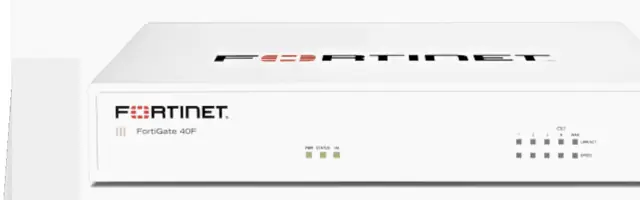
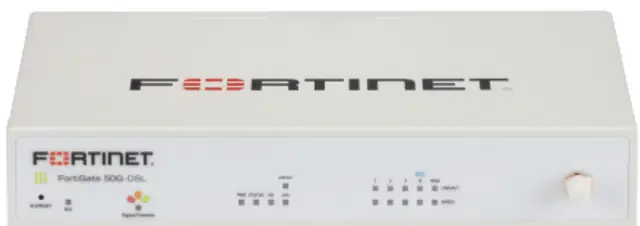
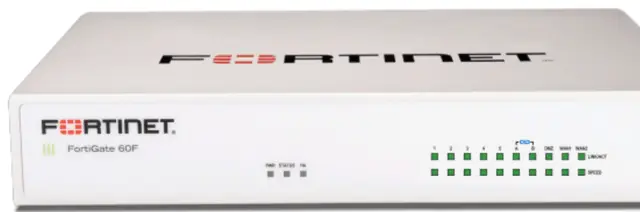
Approved Scanning Vendors and the ASV scan report
The Council keeps the List of Approved Scanning Vendors (opens in a new tab) and re-approves each ASV every year. It points out that approval shows an ASV has met the Council's requirements for PCI data security scanning, not that the Council endorses it, and advises checking that your ASV is still on the list.
Sectigo is a PCI Approved Scanning Vendor, and its HackerGuardian service runs the scan and issues the ASV scan report. Forever Systems arranges the HackerGuardian service for you, sets up the scans and helps you act on what they find, so you get the ASV's report and a team to work through it with you.
The Council's FAQ is clear about what the report covers: it details the results of the vulnerability scan and "is not an indication that any other PCI DSS requirements have been reviewed or are in place". Acquirers and payment brands may ask for your quarterly reports, so the Council suggests checking with them what they need.
Sectigo HackerGuardian
HackerGuardian is Sectigo's PCI scanning service. Sectigo's FAQ calls the scanning service the PCI Scan Control Centre, and older parts of it still use the Comodo HackerGuardian name, so a search for a Comodo PCI scan leads to the same service. Sectigo sells it in two editions:
| HackerGuardian Standard | HackerGuardian Enterprise | |
|---|---|---|
| IP addresses or domains | Up to 5 | Up to 20 |
| PCI scans | Unlimited | Unlimited |
| ASV scan report | Included | Included |
| More addresses | Additional IP Address Packs | Additional IP Address Packs |
What Sectigo describes in its own material:
- Every TCP port: each licence scans all 65,535 TCP ports on the addresses in scope
- Public addresses only: HackerGuardian scans publicly accessible IP addresses and domains, not internal or private address ranges
- Two reports: an Executive Report with the overview and a Technical Report with each vulnerability and how to fix it, both carrying the Attestation of Scan Compliance
- A Mitigation Plan: a short, PCI-specific list of the actions needed to reach a compliant result
- Domains and virtual hosts: websites can be added as domain names, including several sites on one IP address
- Allowing the scanner: Sectigo publishes the address ranges its scans come from, so a firewall or intrusion prevention system can let them through instead of interfering with the scan
Sources (checked 22 November 2026): PCI Security Standards Council, Approved Scanning Vendors and FAQ 1234 (ASV scan reports); Sectigo, PCI compliance scan page and HackerGuardian frequently asked questions.
Compare, then add to your basket
Every product in our shop lists its order codes and licences, ready to add.
How to pass a PCI compliance scan
Sectigo's FAQ sets out the result: a scan passes when it finds no vulnerability rated higher than CVSS base score 4.0 and nothing it treats as an automatic failure. Anything above that line is reported as a fail and has to be fixed, then the scan is run again until the report says compliant. The usual route:
- Agree the scope: every public IP address and domain in or connected to your card payment environment, including firewalls, VPN gateways and websites.
- Run the first scan with the scanner's source addresses allowed through your firewall, so nothing blocks or alters the test.
- Read the Technical Report and Mitigation Plan and decide, item by item, what to patch, close, reconfigure or replace.
- Fix what failed: firmware and software updates, closing exposed services, tightening TLS settings, changing firewall rules.
- Rescan until compliant, then complete the Attestation of Scan Compliance.
- Send the reports to your acquirer on its timetable, with the annual self-assessment questionnaire where it asks for one.
Sectigo's FAQ puts the rhythm at every 90 days, once a quarter. Internal vulnerability scans are a separate part of PCI DSS, and because HackerGuardian scans public addresses only, internal scanning runs on other tools; our sister site describes vulnerability management as a service (opens in a new tab), which covers scanning inside the network.
When a scan fails: the fixes behind it
A failing finding is fixed where it lives, and for many organisations that is the network edge: a firewall or router running old firmware, a management interface the internet can reach, a VPN gateway with weak TLS settings, or hardware past the vendor's end-of-support date that no longer gets security updates.
We can work through the Technical Report with you and make the changes: update or reconfigure firewalls, close or restrict exposed services, tighten TLS, and replace hardware that can no longer be patched. If an appliance needs replacing, browse business firewall appliances and Cisco Secure Firewall, or let us build the basket from the report. Then we rescan to check the fix.
A scan is also a good moment to check the support and warranty renewals of the kit in scope and, for Cisco hardware, its Cisco end-of-life dates.
Not sure what you need?
Tell us about your sites and we will recommend the right kit and licences.
How our managed PCI scanning service works
- Discovery: we talk through how you take card payments, which public addresses and websites are in scope, and what your acquirer asks for.
- Set-up: we arrange the HackerGuardian edition that fits, add your IP addresses and domains, and allow the scanner through your firewall.
- Scheduled scans: scans run each quarter, and on demand after a significant change.
- Reports: we go through the Executive Report, Technical Report and Mitigation Plan with you.
- Fixes and rescans: we make, or help your team make, the changes the report calls for, then rescan.
- Evidence for your acquirer: the compliant report and attestation, ready for you to submit.
Each stage is confirmed at quote, so you choose how much of the work you want us to take on, from scans and reports only to fixing every finding.
PCI compliance scanning cost: what sets your quote
The cost of PCI compliance scanning depends on the HackerGuardian edition that covers your public IP addresses and domains, any additional IP address packs, and how much of the work around each scan you want us to do. PCI ASV scan cost and HackerGuardian pricing come down to the same parts, so we quote the edition and the service together.
- Edition: Sectigo HackerGuardian Standard or Enterprise, with any additional IP address packs
- Scope: the public IP addresses and websites in your card payment environment
- Service: set-up, reading the reports, and the fixes and rescans you ask us to do
Get a price on PCI compliance scanning
Add products to your basket, then send it to us for a quote.
How we can help with your network
Forever Systems can design, supply, stage, install and configure the network around the hardware you buy here, as a project or one step at a time.
- Design: we look at your sites, users and existing kit and size the switches, wireless and firewalls to fit
- Supply: every order gets a bespoke quote by part number, with the subscriptions and support each product needs
- Stage: we can pre-configure and label equipment before it reaches site
- Install: we can rack and mount switches, access points and firewalls on site
- Configure: VLANs, wireless, firewall policy, VPNs and management platforms set up and documented at handover
Scope is confirmed at quote, so you only pay for the parts of the project you need.
Frequently asked questions
What is a PCI compliance scan?
An external vulnerability scan of the public IP addresses and domains in your card payment environment, run by a PCI SSC Approved Scanning Vendor. It ends in a compliant or not compliant result and produces the ASV scan report your acquirer may ask for.
What is an ASV in PCI compliance?
An Approved Scanning Vendor: an organisation whose external scan solution the PCI Security Standards Council has tested and approved, and which the Council re-approves every year. Sectigo is an ASV, and its HackerGuardian service is the one we arrange.
How often do I need a PCI scan?
Sectigo's FAQ says every 90 days, once a quarter, with the reports sent to your acquirer on its timetable. We can also run a scan on demand, for example after a change to your firewall or website.
What happens if we fail a PCI scan?
The report lists each failing vulnerability with how to fix it, and a Mitigation Plan sums up the actions. Once they are fixed, the scan is run again until it is compliant. We can work through the fixes with you.
Does HackerGuardian scan our internal network?
No. HackerGuardian scans publicly accessible IP addresses and domains only, which is what the external ASV scan needs. Internal vulnerability scanning runs on other tools.
Is HackerGuardian the same as the Comodo PCI scan?
Yes. HackerGuardian is now Sectigo's service, and parts of Sectigo's own material still use the earlier Comodo HackerGuardian name.
Does a passing ASV scan mean we are PCI DSS compliant?
Not on its own. The PCI Security Standards Council says the ASV scan report covers the scan results only and is not an indication that any other PCI DSS requirements are in place.
Ready to order?
Build your basket and check out when you are ready.
More network hardware
 Cisco firewallsCisco Secure Firewall 200, 1200, 3100 and 4200 and Firepower 1000 appliances, with Threat Defense licences.Support renewalsSupport and warranty renewals for Cisco, HPE, Fortinet, Check Point, WatchGuard and Sophos hardware.Cisco end of lifeCisco end-of-sale and last date of support dates, with the replacement Cisco names for each model.InstallationDesign, supply, staging, installation and configuration of switches, Wi-Fi and firewalls, scoped at quote.